

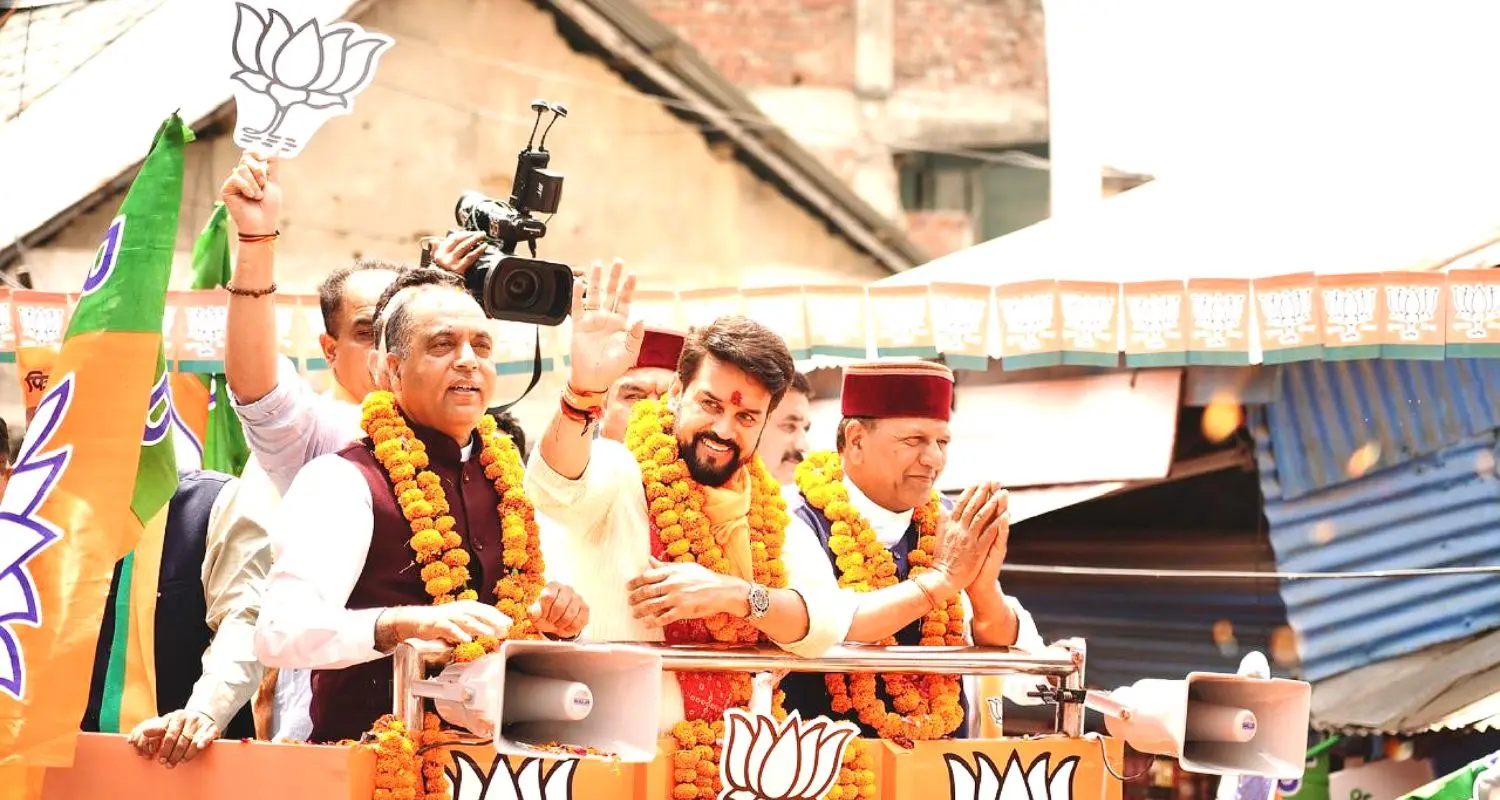
Most political campaigns treat reels like an afterthought — something the youngest person on staff films on a phone between the “real” events of the day. Then election season hits full swing, and the candidate’s reach on Instagram and YouTube Shorts quietly outpaces every ad the campaign paid for. A 20-second clip from a village visit ends up doing more for name recall than a week of print coverage, and suddenly everyone wants to know why nobody planned for that from the start.
Reels didn’t earn that weight by accident. They’re what a voter actually watches — on a phone, mid-scroll, sound off, squeezed between everything else in their day. Treating that seriously, planning for it, shooting for it, editing for it, is a different job than pointing a phone at a stage and hoping something usable comes out of it.
“A reel is not a shorter version of your rally footage. It’s a different piece of content, shot with a different plan.”
Exprosight
-Author
Why campaign reels carry this much weight now
A voter scrolling Instagram or YouTube Shorts isn’t choosing to watch a candidate — the platform is choosing for them, and it rewards whatever holds attention in the first few seconds. That changes what “good” campaign content looks like. A press photograph or a five-minute documentary can afford a slow build. A reel can’t. It has to land instantly, without sound, in a format the platform will actually push toward people who weren’t looking for it in the first place.
That’s also what makes reels a fairer fight than most campaign spending. They cost far less to produce than a television spot, they travel further than a press release ever will, and one genuinely good clip — a real moment, not a staged one — can outperform a much bigger production budget. But only if it was actually shot and cut for the format, not repurposed from something else after the fact.
Inside a campaign shoot day built for reels
Before the crew leaves, there’s a shot list built around the day’s actual schedule — which stops matter, where the candidate is likely to have a real interaction rather than just wave from a stage, and where the light and background will still hold up on a phone screen. That’s planning against the itinerary, not showing up and hoping something happens.
On the ground, a reels-focused shoot runs differently from a stage livestream. It means a second camera working the crowd, not just the podium: a genuine reaction, a voter mid-sentence, the walk between the car and the stage. Vertical framing from the start, not a horizontal wide shot cropped down later and losing half its subject. And it means shooting far more raw footage than any single reel will use, because the strongest fifteen seconds of a two-hour event is rarely the part anyone scripted.
By the time the crew is on the way to the next stop, the edit has usually already started — on a laptop in the vehicle, not back at an office hours later. Captions get burned in for sound-off viewing. The cut gets tightened until it opens on the strongest moment, not the most polite one. And it goes up the same day, because a clip posted the morning after a rally is already competing with whatever happened today instead.
What separates a reel that works from one that doesn’t
It hooks in the first two seconds. If the opening frame doesn’t earn the next one, the platform stops pushing it to people, no matter how good the rest of the clip is.
It’s built for sound off. Captions aren’t optional. Most people watching a political reel on their commute or in a queue aren’t reaching for their volume button.
It’s one idea, not a compressed speech. A three-minute stage address cut down to forty seconds is still three minutes of content trying to fit a forty-second attention span. A reel built around a single moment — one exchange, one line, one reaction — almost always outperforms a highlight reel trying to cover everything.
It looks like it was actually there. Over-produced, ad-style footage reads as distant on a platform where people expect rawness. Clean audio and decent light are worth getting right. Staged is not.
It shows up consistently, not occasionally. A campaign posting daily through a quiet week builds more trust than one chasing a single viral moment and going dark in between. Cadence is doing more of the work here than any individual clip.
The mistakes tend to repeat themselves across campaigns: reusing wide stage-livestream footage instead of shooting for the format directly, skipping captions, and treating reels as whatever gets squeezed out after the “real” coverage is already done.
The crew a political campaign shoot actually needs
A single person with a phone can produce content. They generally can’t produce a reel a day, every day, for months, while also covering press photography, a documentary, and whatever the news cycle demands that week. A reels-ready crew is usually a shooter or two working the ground rather than the stage, an editor who can cut on the move rather than at a desk the next morning, and someone coordinating both against a campaign schedule that changes constantly and rarely with notice.
Quick answers
Can we just cut our livestream footage into reels? Sometimes, for one clip. As a steady source, rarely — a livestream is framed as a wide, static shot of a stage, and a reel needs footage shot close, vertical, and built specifically for that fifteen-to-thirty-second window.
How often should a campaign actually post? Less about hitting a fixed number, more about not going quiet. A steady, sustainable daily or near-daily rhythm beats a burst of five reels in one week followed by silence.
Do reels replace the documentary and press photography? No, they work alongside them. A reel earns quick attention. A documentary is what someone watches once they’re curious enough to give a candidate three minutes. Campaigns that only invest in one tend to end up with either reach and nothing behind it, or credibility that nobody sees.
Where Exprosight fits
This is the part of a campaign we build our crews specifically for: shooters trained to work a crowd instead of a podium, editors who cut in the vehicle between stops, and same-day posting as the standard, not the exception. We run it alongside the documentary and press-photography work, for campaigns across Uttar Pradesh, Delhi NCR, and beyond. If reels have been the piece your campaign keeps meaning to get to properly, that’s a conversation worth having before the schedule gets busy.